
FLOWER CARE GUIDE
Once you receive your flower gift make sure to
1. Carefully remove flowers from the packaging so as not to damage your gift
2. Clean the vase thoroughly
3. Fill the vase with two-thirds fresh water.
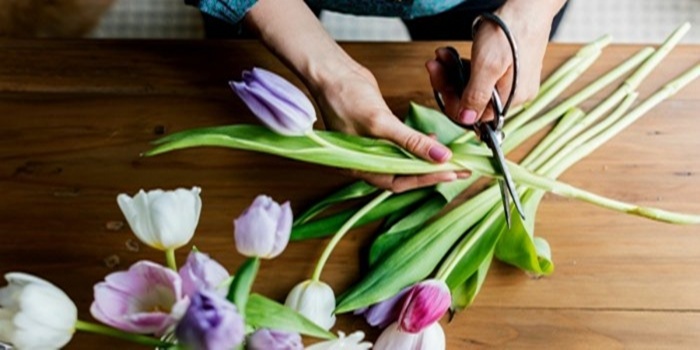
4. Trim about 2-3cm from the bottom of the stems at a 45-degree angle.
5. Remove any foliage or leaves that have fallen below the waterline.
6. Change the water regularly after the second day.
7. Enjoy watching your flowers bloom.
Taking care of flowers can be a rewarding and enjoyable experience. Different types of flowers may have specific care requirements, but here are some general guidelines to help you care for most types of flowers:
1. WATERING
The watering frequency depends on the type of flower, soil, and environmental conditions. Generally, it's best to water when the top inch of soil feels dry to the touch.
Water the base of the plant to avoid wetting the leaves, which can lead to fungal diseases.
2. SUNLIGHT
Most flowers require adequate sunlight for healthy growth and blooming. Place indoor plants near bright, indirect light sources, and outdoor plants in areas with appropriate sunlight levels for their specific needs.
3. SOIL
Use well-draining soil specific to the flower type. For some flowers, like succulents, a sandy mix works well, while others may prefer loamy soil.
Regularly check the soil's pH level and adjust it as necessary to suit the flower's requirements.
4. FERTILIZING
Fertilize your flowers during their active growing season (usually spring and summer).
Use a balanced, water-soluble fertilizer or one formulated for flowering plants. Follow the package instructions for application rates.
5. PRUNING
Regularly trim dead or faded flowers to encourage new growth and prolong the blooming period.
Prune any diseased or damaged parts to maintain plant health.
6. PEST MANAGEMENT
Monitor your flowers for signs of pests like aphids, mealy bugs, and spider mites. Use insecticidal soap or neem oil if infestations occur.
Prevent diseases by providing good air circulation and avoiding overwatering. If the disease does strike, remove affected parts promptly and consider using fungicides as necessary.
7. CONTAINER PLANTS
If growing flowers in containers ensure the pots have drainage holes to prevent waterlogging.
Repot plants when they become root-bound or outgrow their containers.
8. WINTER CARE
For outdoor flowers, check their hardiness zone and provide appropriate winter protection if needed. Mulching can help insulate the soil and protect the roots.
Some indoor flowers may benefit from reduced watering and lower light levels during the dormant period.
9. SUPPORT
Tall or climbing flowers may require stakes or trellises to support their growth and prevent them from falling over.
10. OBSERVATION
Regularly inspect your flowers for any changes in growth, appearance, or health. Catching issues early can prevent more significant problems down the line.
Remember that every type of flower may have unique care requirements, so it's essential to research the specific needs of the flowers you are growing. Additionally, gardening is a learning process, so don't be discouraged by setbacks. With time and care, you'll become more adept at understanding and meeting your flowers needs.
FLOWER CARE GUIDE
Celebrating St. Patrick’s Day: Traditions, Flowers, and Cakes
10 Flowers You Can Gift on International Women's Day
Five Valentine’s Traditions from Around the World
Which Gift Is Good For Valentine?
Celebrate Love with Flowersgifting’s Valentine’s Day Flower Delivery
Send Valentine’s Day Flowers Through Flowersgifting: The Ultimate Guide
What Do Red Roses Mean On Valentine's Day?
Valentine’s Day 2024 with Flowersgifting.com - Celebrate Love
The Best Flower Delivery Services in The UK: Why FlowersGifting.com is Your Top Choice
What's The Best Company For Flower Delivery In USA?
Who Is The Best Online Florist In Spain?
What Are The Traditional Flowers for Mother's Day?
Valentine's Day Flowers & Gifts Argentina
How Is Valentine's Day Celebrated In Brazil?
Best Online Flower Delivery in New Zealand
Send Valentine's Day Flowers to Canada Online with Flowersgifting
Send Valentine's Day Flowers to Germany with FlowersGifting